Stick Figure
A Simple Shape with Big Potential
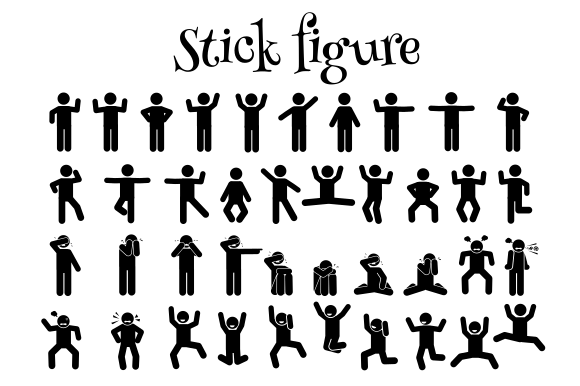
As a designer who’s stitched countless projects from custom apparel to holiday gifts, I’ve come to appreciate the power of simplicity. Stick Figure is one such design that offers more than meets the eye. At first glance, it feels like a basic outline, but its versatility and clean lines make it an excellent choice for a wide range of embroidery applications.
The First Impression: Clean and Versatile
Stick Figure immediately evokes a sense of approachability and creativity. The minimalist style is both modern and timeless, making it adaptable to almost any project. The design’s lack of intricate details allows it to fit seamlessly into various contexts, whether it's a playful addition to a child’s outfit or a subtle accent on a handmade tote bag.
What stands out most is how well it balances simplicity with visual appeal. The stick-like form isn’t overly stylized, which means it can be easily customized or paired with other elements without clashing. This makes Stick Figure ideal for designers looking to create something that feels personal yet professional.
Real-Life Use Case: A Custom Embroidered Tote Bag
Imagine you're preparing a custom embroidered tote bag for a client. The goal is to add a touch of personality while keeping the overall look cohesive. Stick Figure fits this scenario perfectly. Its simple shape allows it to be scaled down or up depending on the size of the tote, and it doesn’t overwhelm the design space.
When placed on the front of the bag, Stick Figure adds a whimsical yet sophisticated element. It works well as a standalone design or can be combined with other icons to create a more complex layout. The key is to maintain balance—too many elements can detract from the clarity of the stick figure.
Performance in Real Embroidery Situations
Stick Figure performs admirably in a variety of embroidery scenarios. On custom apparel like sweatshirts or t-shirts, it adds a fun and unique detail without overshadowing the rest of the design. For baby items, it brings a playful charm that resonates with parents and children alike.
It also shines in commercial embroidery settings. Whether it's for a boutique product, an Etsy listing, or a small shop merchandise item, Stick Figure maintains its integrity across different fabric types and sizes. However, there are situations where extra care is needed.
Where to Be Careful: Fabric and Hoop Considerations
While Stick Figure is versatile, it’s not without its limitations. When working with small hoop sizes, the design can become too cramped, leading to a loss of detail. Similarly, on textured fabrics or thin materials, the contrast between the design and the background may not be as clear.
Dark fabrics can also pose a challenge. Without proper thread color contrast, Stick Figure might blend in rather than stand out. Testing the design on scrap fabric before committing to a finished product is essential. It’s also wise to review stitch density and ensure that the design remains legible even when scaled down.
For products that require frequent washing, such as tea towels or kitchen linens, Stick Figure holds up well. However, it’s important to use the right stabilizer to prevent puckering and maintain the design’s clarity over time.
Visual Appeal and Product Value
Stick Figure contributes positively to the visual appeal of any project. Its clean lines and minimalistic style make it easy to integrate into both personal and commercial designs. From personalized gifts to craft fair products, the design adds value without being overwhelming.
Customers often respond favorably to Stick Figure because it feels familiar yet creative. It’s a design that invites curiosity and engagement, which is especially valuable for handmade products and digital embroidery files. The ability to customize the design further enhances its appeal, making it a great asset for creative entrepreneurs and Etsy sellers.
Design Notes for Embroidery Professionals
If you're considering using Stick Figure in your workflow, there are a few practical steps to take. Always test the design on scrap fabric first to see how it looks in real life. Check thread color contrast against the fabric, and ensure that the stitch density is appropriate for the intended use.
Confirm the hoop size before starting a project, and don’t forget to use proper stabilizer, especially on stretchy or delicate fabrics. Testing the design in black and white mockups can help identify any issues with contrast or clarity.
Finally, make sure you understand the licensing terms before selling finished items or digital products. Stick Figure is a powerful tool, but it’s important to respect the rules around commercial use.
Final Thoughts
Stick Figure is more than just a simple design—it’s a versatile asset that can elevate a wide range of embroidery projects. Whether you’re creating custom apparel, holiday gifts, or boutique branding, it offers a clean, approachable look that resonates with both customers and creators.
By understanding its strengths and limitations, you can confidently incorporate Stick Figure into your design toolkit. With careful planning and attention to detail, it has the potential to enhance your handmade products, boost customer trust, and support your brand’s visual identity.